New Tokyo is the newest of the Megacities. Unlike the other three is was not built on the destroyed remains of a previous city. Instead it was established on reclaimed land on the east coast of Australia.
Before the comet impact destroyed their homeland, many Japanese fled to Australia and concentrated themselves in the same area. Though grateful for the Australian Government for allowing them to stay, the Japanese populace wanted to retain what little they had of their culture, rather than spreading far and wide across the continent . With fears of overcrowding and local people upset with their presence, the Japanese felt that it would serve their best interest if they built their own “Little Japan”.
Seeking permission from the Australian Government the Japanese set about reclaiming land from the sea on the East Coast of Australia. From this they built their own Megacity and named it New Tokyo. The designs and layout contain many references to Japanese culture and too many of the displaced population New Tokyo is considered their “homeland”.
Whilst at a casual glance New Tokyo appears smaller than the other Megacities it is only the central high rise area that is smaller. When taken into account the outer sprawling areas, New Tokyo covers the biggest area of any Megacity and has the largest population.
Technology
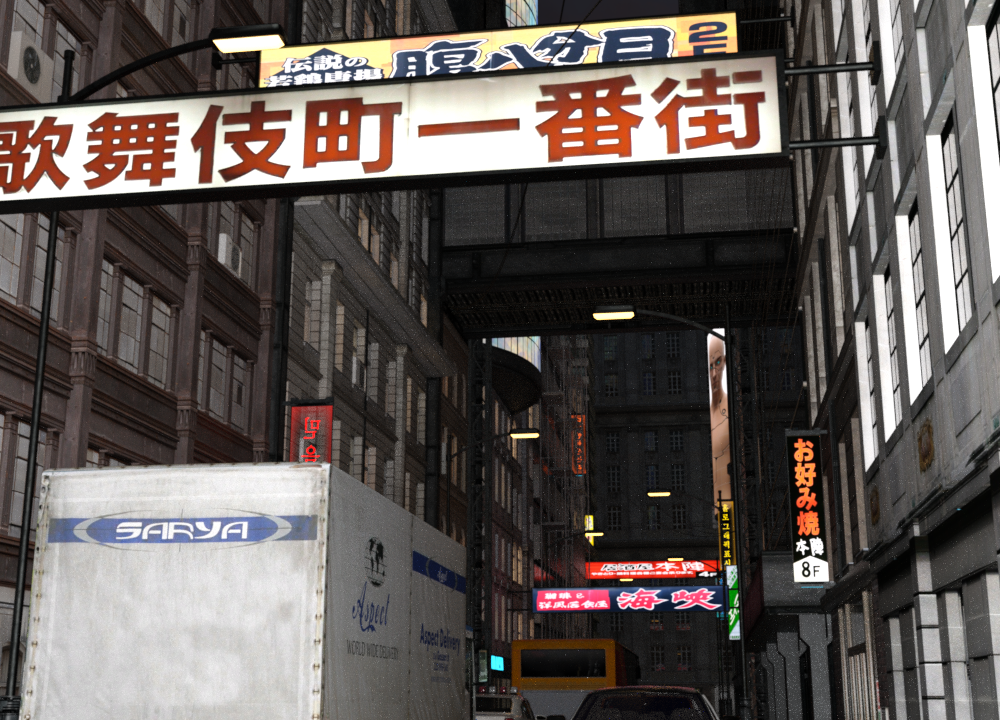
Though many of the building appear to be old in appearance, that is part of its architectural design for New Tokyo employs some of the most highly advanced technology and innovations. In the central district the bright lights ensures the city never sleeps and it is a well regarded tourist destination.
Transport
As well as an airport and rail links to parts of Australia, New Tokyo has smart roads that allow AI vehicles to navigate without the need for a driver, although few tourists use such options when available. The city also has an underground maglev rail system that allows extremely fast and efficient rail travel across the vast sprawling area.
City Areas
🗼 The 12 Prefectural Zones of New Tokyo
1. Chiyoda Prefecture (Central Government Core)
-
Purpose: Politics, finance, corporations.
-
Vibe: Gleaming towers, pristine boulevards, high security.
-
Key Wards:
-
Neo-Chiyoda (Imperial enclave, government HQ)
-
Shin-Ginza (luxury shopping, neon skyline)
-
Nihonbashi-Dai (financial heart)
-
-
Run-down? No — this area is too controlled, but sterile and alienating.
2. Shibuya Prefecture (Cultural Belt)
-
Purpose: Youth culture, entertainment, fashion.
-
Key Wards:
-
Shin-Shibuya (mega-scramble crossing, VR entertainment)
-
Harajuku-kai (fashion arcades)
-
Shinjuku-West (bars, nightlife)
-
-
Run-down Ward:
-
Roji-ku (Alleyways Ward) — old nightlife district gone feral, Yakuza hangouts.
-
3. Akihabara Prefecture (Tech Arcology Zone)
-
Purpose: Electronics, robotics, AI.
-
Key Wards:
-
Dai-Akihabara (massive tech arcology)
-
Cyber-Ochanomizu (university + startup labs)
-
Shin-Kanda (robotics testing grounds)
-
-
Run-down Ward:
-
Kagerō-ku (Heat-Haze Ward) — crumbling high-rise danchi, endless heat and smog.
-
4. Minato Prefecture (Harbor & Trade Districts)
-
Purpose: Ports, shipbuilding, global trade.
-
Key Wards:
-
Pacific Minato (giant seaport arcology)
-
Oceania-Dock (Australian trade hub)
-
Takeshiba (shipyards + workers housing)
-
-
Run-down Ward:
-
Kurogane-ku (Black Iron Ward) — rusted steelworks, gangs, black market.
-
5. Setagaya Prefecture (Residential Megablocks West)
-
Purpose: Middle-class residential towers, “family wards.”
-
Key Wards:
-
Shin-Setagaya (danchi megablocks, family-friendly)
-
Tama-Shin (suburban replica of old Tama region)
-
-
Run-down Ward:
-
Namida-ku (Tears Ward) — reclaimed land, flooding slums.
-
6. Musashi Prefecture (Residential North)
-
Purpose: Working-class housing, industry-adjacent.
-
Key Wards:
-
Musashi-Shinmachi (New Musashi Town, dense housing)
-
Kawaguchi-West (factory-adjacent apartments)
-
-
Run-down Ward:
-
Minami-Moto (South Origins Ward) — permanent refugee camp turned ghetto.
-
7. Aozora Prefecture (Greenbelt & Agriculture)
-
Purpose: Vertical farms, urban forests, reservoirs.
-
Key Wards:
-
Aozora-ku (Blue Sky Ward) — eco-arcology towers.
-
Tanbo-City (hydroponic rice fields stacked vertically)
-
-
Run-down? No — but eco-wards often feel cultish, tightly controlled.
8. Pacific Prefecture (Ocean Expansion Zone)
-
Purpose: Artificial islands, floating cities, deep-sea industries.
-
Key Wards:
-
Coral-Shima (aquaculture city, reefs + research)
-
Shin-Odaiba (floating luxury zone)
-
-
Run-down Ward:
-
Kaitei-ku (Seafloor Ward) — decaying underwater habitat, half-abandoned.
-
9. Koala Prefecture (Australian Cultural Zone)
-
Purpose: Hybrid of Japanese & Australian heritage, tourist-friendly.
-
Key Wards:
-
Daruma-Bay (fused Japanese shrines + Aussie beaches)
-
Kangaroo-Minato (family attractions, hybrid naming)
-
-
Run-down Ward:
-
Outback-ku — intended as Aussie-themed housing, now neglected.
-
10. Dai-Kantō Prefecture (Memory of Japan)
-
Purpose: Preserves lost Japanese cultural heartland.
-
Key Wards:
-
Neo-Asakusa (temple district, festivals)
-
Shin-Ueno (museums, cultural archives)
-
Yanaka-East (old-town streets recreated)
-
-
Run-down? Parts are tourist traps — shiny on the surface, hollow underneath.
11. Coral Prefecture (Marine Technology)
-
Purpose: Fisheries, biotech, ocean farming.
-
Key Wards:
-
Sango-Dai (Coral Plateau, biotech labs)
-
Pearl-Market (seafood megamarket)
-
-
Run-down Ward:
-
Gyosen-ku (Fisherman’s Ward) — poor fishing community, declining.
-
12. Outer Belt Prefecture (The Fringe)
-
Purpose: Sprawl of outer settlements, informal economies.
-
Key Wards:
-
Shin-Kisarazu (low-cost housing)
-
Danchi-Cluster 88 (massive worker housing block)
-
-
Run-down Wards:
-
Rusted Lotus Ward — crime-infested housing towers.
-
Ashigawa-ku — unofficial slum, technically outside city law.
-
